
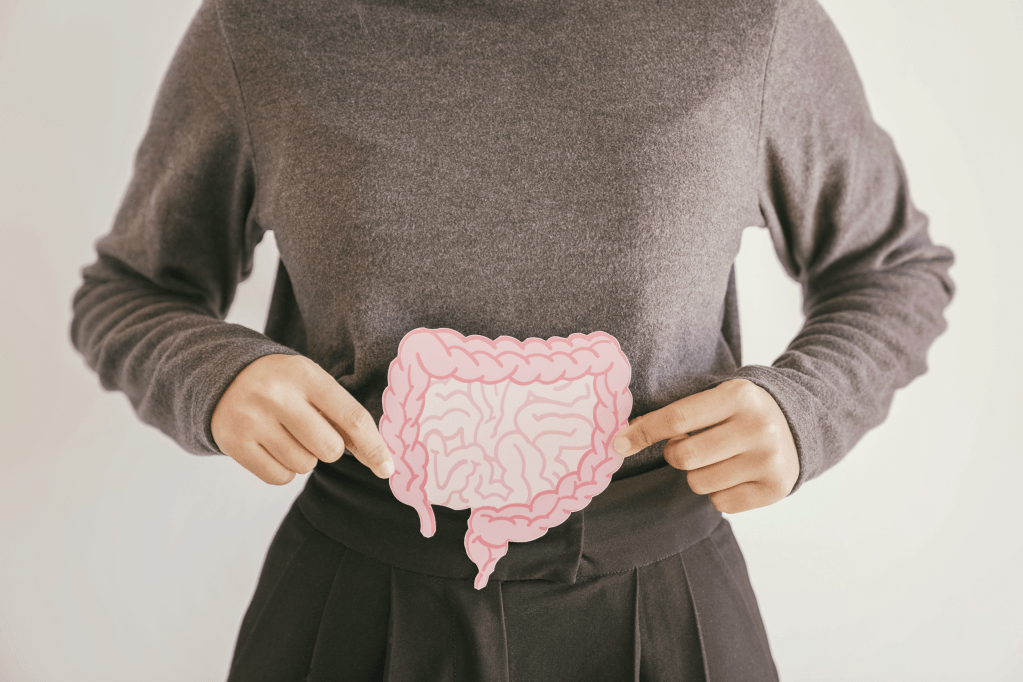
To achieve optimal gut health, a multifactorial approach is necessary. This is because various habits, such as diet, hydration, exercise, stress levels, sleep habits, antibiotic intake, cleanliness, alcohol consumption, and smoking, all impact on the gut.
Eat healthy
To achieve top gut health, we need to “feed” the good microbiome and “starve” the bad kind. In theory, this is simple as it follows what is a good diet for ourselves.
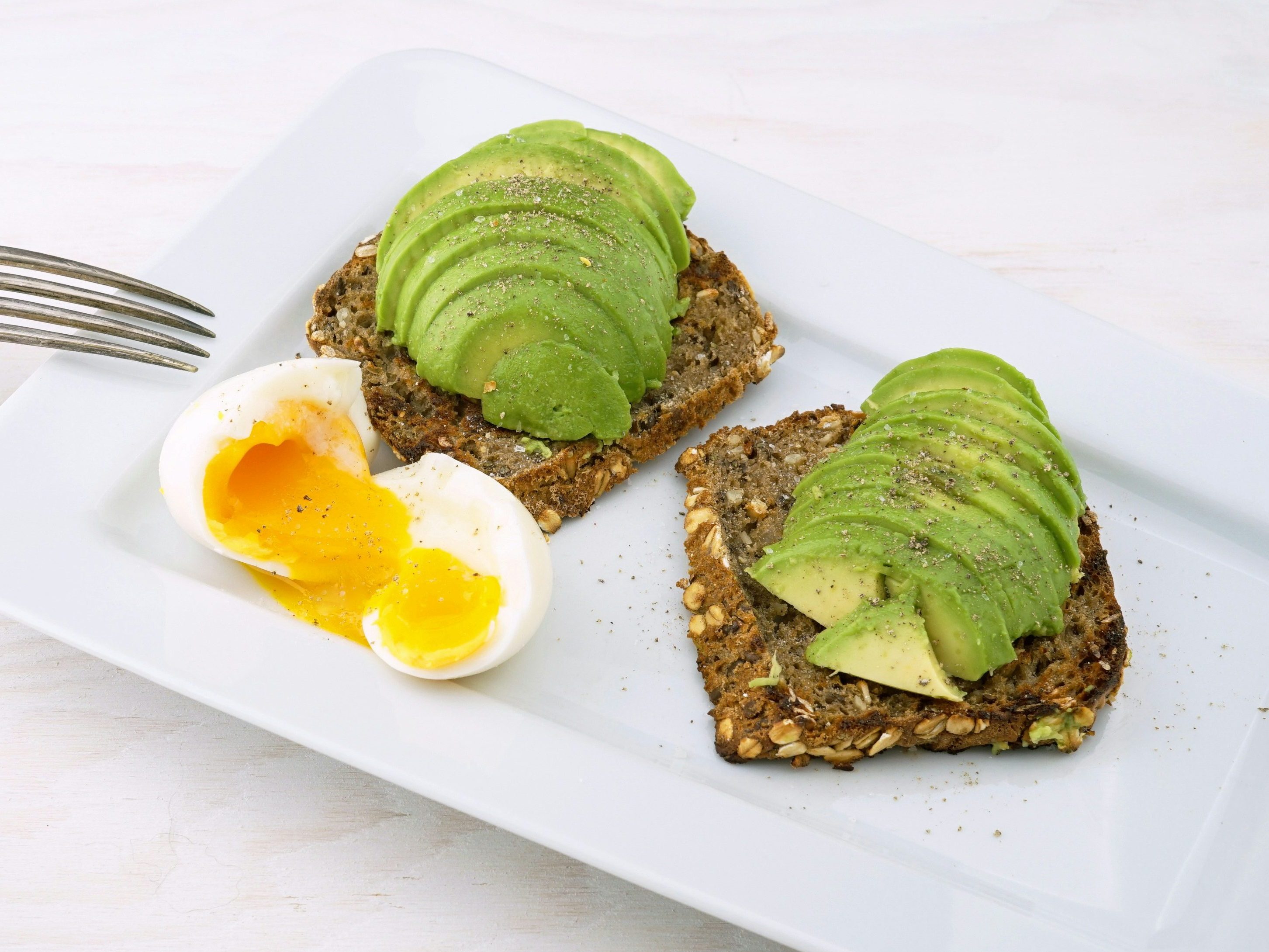
- Include fruits, vegetables, and whole grains in your diet to provide your microbiome with fiber, which it thrives on, as well as essential vitamins and minerals that benefit both you and your microbiome. When Bifidobacterium receive fiber, they produce butyrate, which promotes intestinal healing and enhances mood, among other advantages. Consuming fruits and vegetables not only increases your intake of vitamins and minerals, but also offers many benefits.
- Consume healthy fats. Increasing omega-3 intake can benefit our gut health, as it is anti-inflammatory and antithrombotic. It can even lead to a decrease in Inflammatory Bowel Disease (IBD), rheumatoid arthritis, cardiovascular diseases, Alzheimer’s, depression and cancer. Some food rich in omega-3 are walnuts, sesame, chia seeds and oily fish. (1)
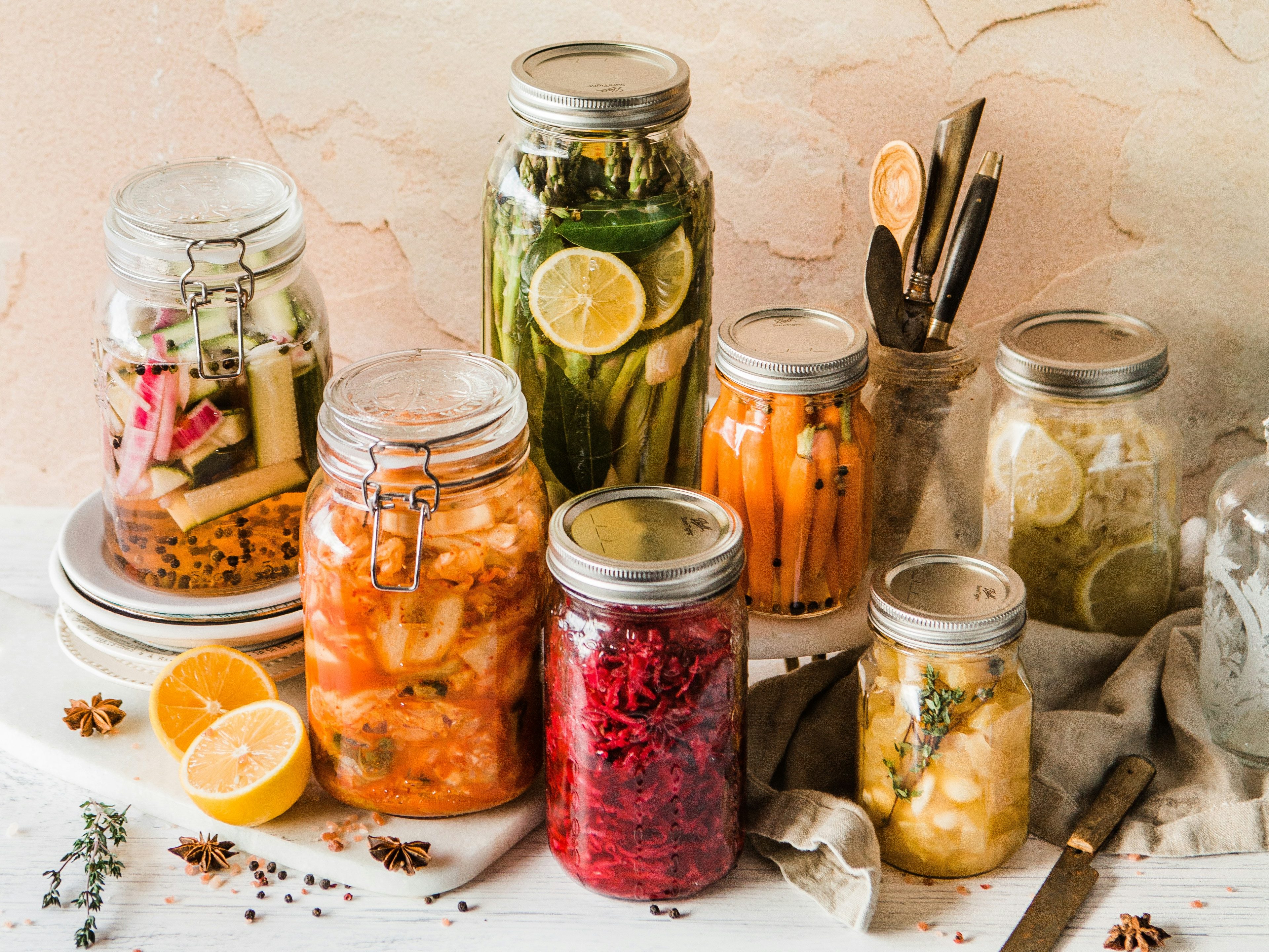
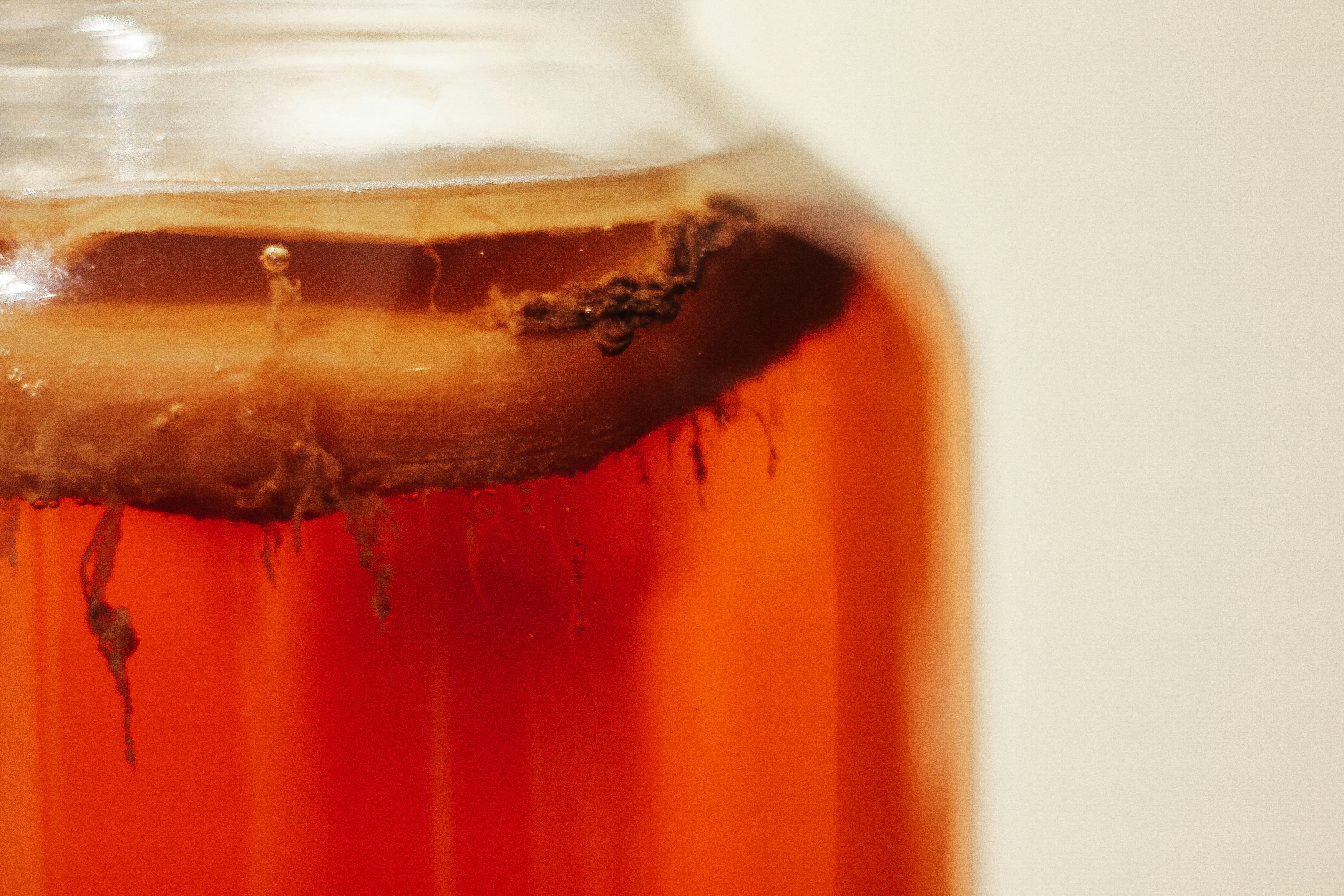
- Consume prebiotics and probiotics. Prebiotics means “good food for our microbiome”, that’s fiber, healthy fats. While probiotics are the living microorganisms, usually as fermented food like yogurt, kefir, pickles, kimchi, kombucha, miso, and many more.
- To promote a healthy microbiome, it’s important to steer clear of sugary and highly processed foods. Just as we aim to nourish the beneficial bacteria, we should refrain from fueling the growth of harmful species. By avoiding sugar and heavily processed foods, we can prevent them from thriving and causing undesirable symptoms.
- In individuals with Irritable Bowel Disorder, where certain species of Lactobacillus manipulate us. These lactobacilli bacteria can interact with morphine receptors when exposed to sugar. As a result, the person experiences a pleasant sensation similar to that of taking morphine or a comparable drug. These people become dependent on sugar to the point it becomes a drug for them, with the side effects of withdrawal (anxiety, bad mood, etc.)
- When we consume a sugar-rich diet, such as the “Western diet,” it leads to a decrease in the diversity of our microbiome. Specifically, there is an increase in Proteobacteria while Bacteroidetes and Firmicutes decrease. Normally, a healthy gut contains only a small fraction of Proteobacteria. However, if this fraction increases, it can cause non-specific inflammation and a decline in the integrity of the epithelial lining. Ultimately, this can result in Permeable Intestine Syndrome. In this condition, substances that are both beneficial and harmful can freely cross the intestinal barrier and enter our bloodstream. (2)
- In addition, researchers discovered that diets high in sugar and/or fructose caused a similar increase in Proteobacteria compared to other “healthier” species in mice. This increase not only caused inflammation and reduced epithelial integrity in humans but also led to high blood sugar, elevated endotoxin levels, increased fat mass, dyslipemia, glucose intolerance, hepatic inflammation, and lipid accumulation without weight gain. Because some of these factors are interconnected, the exact nature of their interaction is not yet fully understood.(3)
Hydrate
Microorganisms live better in mediums with water. We should drink 1,5-2 liter of water per day or, 1 glass of water (250ml) for each 10 kg we weight.
Exercise
Making exercise protects us against colon cancer, diverticulosis (small pockets in weak sections of intestine) and inflammatory bowel disease. Exercise increases butyrate with the beneficial effects we have seen with the fiber intake, as well as increasing the diversity of our gut microbiome.

Control your stress and emotions
Did you know that our gut and mental health have a strong connection? There is a feedback loop between them that can have both positive and negative effects. The Digestive System contains as many neurons as the Central Nervous System.
What’s even more interesting is that both long-term (chronic) and momentary (acute) stress and depression can affect our gut microbiome. It’s true! When we experience stress or depression, it can lead to an increase in harmful bacteria and a decrease in beneficial ones. This imbalance can cause a condition called “Leaky Gut”.
Interestingly, this is like the effects of a poor diet. When we’re stressed, we often crave comfort foods that are typically processed and high in sugar. These food choices not only contribute to the development of Leaky Gut but can also worsen our levels of stress and depression. (4,5)
Isn’t it fascinating how our gut and mental health are interconnected in such intricate ways?

Ways to manage your stress
- Identify the causes. You can keep a journal about how do you feel and what’s happening around you. That way, you can erase some causes. You can find symptoms such as digestive difficulties, declining mental health and immune system.
- Eat healthy. Nothing more to add. You have seen the strong connection between mental health and diet.
- Quit smoking and alcohol. Both seem to give a boost, but they are draining on top of being bad for our gut health. This applies to other drugs, of course.
- Exercise. Physical exercise reduces stress and other negative emotions, to the point of breaking a nasty cycle. Plus, it encourages us to eat healthier. Wins all-around. One of the best sports for stress is yoga, as you exercise and meditate at the same time. (5,6)
- Breathe correctly. Can we breathe incorrectly? Yes, and sadly, is more common than we think. To breathe properly, we have to inhale through the nose into your belly. Your lungs will fill thanks to the pressure, don’t worry.
If you are stressed, taking deep breaths works amazingly. Just inhale for 5 seconds (example), hold for another 5, exhale for another 5. You can do what feels comfortable for you. It can be 5-5-5, 6-5-6, 7-7-7, etc. - Sleep. Sleep quality and mental health have a feedback loop. The better sleep quality, the better mental health and vice versa. (7)
- Learn the art of saying “no”. Sometimes we find ourselves overwhelmed with the desire to accomplish many tasks, leading to a sense of drowning in our own expectations. We may feel compelled to assist a friend in moving, learn a new language, socialize with friends, or embark on a new project with someone exceptional. However, in doing so, we often find ourselves engaged in activities that we have no real passion for. To counteract this, Derek Sivers introduced the “Hell Yeah or no” rule. Simply put, if we don’t feel a resounding “Hell Yeah, let’s do this thing,” it’s best to pass. By saying yes to too many things, we end up spreading ourselves thin and settling for mediocrity, unable to fully pursue all our desires. (8)

- Seek help. Even in today’s age, we treat mental health as if it’s worse than leprosy when it’s actually just as important. If not treated correctly, a mental health problem can become a physical one. There is a lot of psychologist out there specialized in whatever you need, we just need to reach out.
Sleep
We have seen how bad sleeping habits elevate our stress and how stress affects our gut health, so we know that how we sleep and our gut are connected.
It shouldn’t surprise us anymore, given what we have learned until now, that there is also a loop between sleep habits and gut health. The better we sleep, quality and quantity, the better our gut health is, and vice versa.

Avoid antibiotics
How do antibiotics know what microorganisms to kill and which to preserve? The answer is antibiotics kill all microorganisms inside their range of action. The range of action of most antibiotics kills our microbiome, both beneficial and pathogenic, leaving us exposed to the dangers of a deficient gut microbiome (it even makes it easier for the “bad” microbiome to grow). That’s why it’s best to avoid the use of antibiotics, besides the fact that some microorganisms are becoming resistant.
In the event of having to take antibiotics, we should always repopulate our microbiome so our gut health can recover. We help it recover by taking probiotics. They can be food like yogurt, kefir, kombucha, kimchi, pickles, etc but it’s usually faster to add some kind of nutritional supplement. This one is a good example, plus Lamberts it’s an excellent laboratory. It’s important that the microorganisms are alive so they can prosper in our gut, and if we can find retarded capsules even better. Retarded capsules for gut microbiome open in the intestine, allowing the microorganisms to skip the acid in our stomach.
Be clean, but not too much
Maintaining cleanliness is important for both our environment and personal hygiene. However, excessive cleanliness can have negative implications from a medical standpoint. Children raised in overly clean environments are more prone to developing allergies and asthma. When the environment lacks bacteria and other microorganisms, the body cannot learn how to handle them and discern that not all of them are harmful.
When these individuals encounter something like bacteria or dust later in life, their immune system overreacts and attacks everything, even their own body. This can lead to poor gut health. It is advisable to avoid using aggressive cleaning products such as bleach or ammonia. Instead, opt for safer and environmentally friendly alternatives that also provide disinfection.
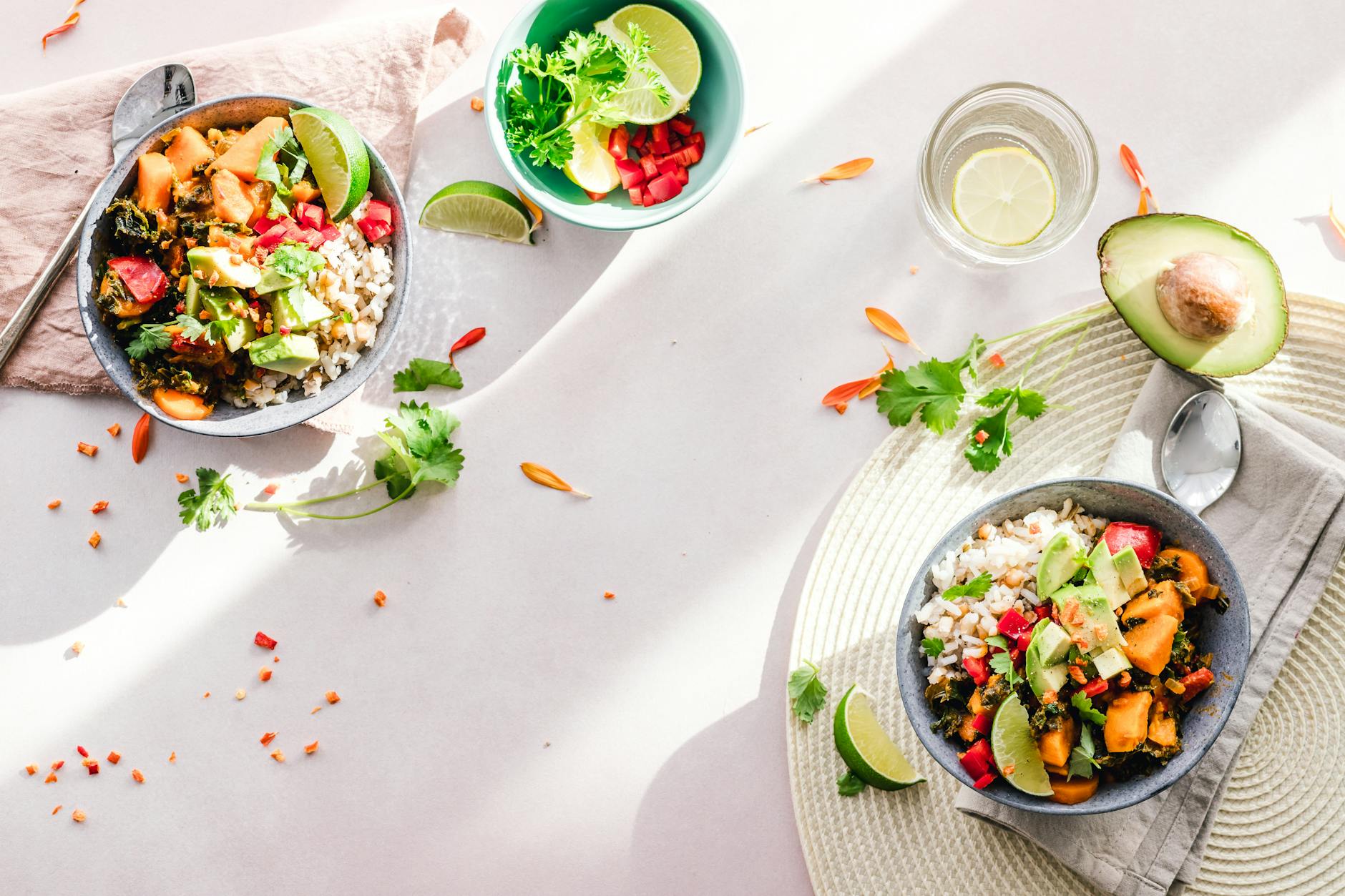
Achieve and sustain a healthy gut with these 7 steps. Maintain a healthy lifestyle by eating well, hydrating, exercising, managing stress, getting enough sleep, avoiding antibiotics, and practicing good hygiene. Don’t forget, just as Rome wasn’t built in a day, healing your gut will also take time. Don’t let bad days derail your overall healthy habits. Rest assured, the healing of the gut will impact your entire body.
Sources
- Costantini, L. et al. (2017) ‘Impact of omega-3 fatty acids on the gut microbiota’, International Journal of Molecular Sciences, 18(12), p. 2645. doi:10.3390/ijms18122645.
- Satokari, Reetta. “High intake of sugar and the balance between pro- and anti-inflammatory gut bacteria.” Nutrients, vol. 12, no. 5, 8 May 2020, p. 1348, https://doi.org/10.3390/nu12051348.
- Do, Moon, et al. “High-glucose or -fructose diet cause changes of the gut microbiota and metabolic disorders in mice without body weight change.” Nutrients, vol. 10, no. 6, 13 June 2018, p. 761, https://doi.org/10.3390/nu10060761.
- Marian Rojas Estapé’s Podcast 4×01 – How does your body talk to you? https://open.spotify.com/episode/4m5DEUPiEWR8OsSVrXR9ug?si=0f533a078cd643df
- Madison, Annelise, and Janice K Kiecolt-Glaser. “Stress, depression, diet, and the gut microbiota: Human–bacteria interactions at the core of psychoneuroimmunology and nutrition.” Current Opinion in Behavioral Sciences, vol. 28, Aug. 2019, pp. 105–110, https://doi.org/10.1016/j.cobeha.2019.01.011.
- Schultchen, Dana, et al. “Bidirectional relationship of stress and affect with physical activity and healthy eating.” British Journal of Health Psychology, vol. 24, no. 2, 22 Jan. 2019, pp. 315–333, https://doi.org/10.1111/bjhp.12355.
- Scott, Alexander J., et al. “Improving sleep quality leads to better mental health: A meta-analysis of randomised controlled trials.” Sleep Medicine Reviews, vol. 60, Dec. 2021, p. 101556, https://doi.org/10.1016/j.smrv.2021.101556.
- Sivers, Derek. “If You’re Not Feeling ‘Hell Yeah!’ Then Say No.” Derek Sivers, sive.rs/hyn.
 HEART, MIND & GUT
Leave a comment