
My intention while writing this post is for you to have a knowledge base, you will find links to related posts that I hope will be helpful to you.
Disclaimer: I have included the % Total Energy Intake values for the macros for orientation but they do not give you the capacities to decide what kind of diet to follow exactly. For that, please, reach to a dietitian. This is not an ad, it’s for my peace of mind.
If you want a more intuitive way to organize your diet, check out How to balance your diet with Harvard Healthy Eating Plate.
Let’s get on with this!
Nutrition is more than simply eating. It’s eating to fuel our body. We have heard a ton of times that it’s really important to eat well and blah, blah, blah…
Above I said that nutrition is eating to fuel the body but you wouldn’t fuel your car with milk, right? Or at least you wouldn’t expect it to work. That means the first thing to know is what fuel our body uses?
Nutrition-wise, we can divide the requirements of our body into two big baskets, macronutrients and micronutrients.
Macronutrients are the nutrients we need in big (macro) quantities. They include carbohydrates (also called sugars), proteins and fats. Meanwhile, we need micronutrients in less quantity, that’s why we call them micronutrients.
Macronutrients
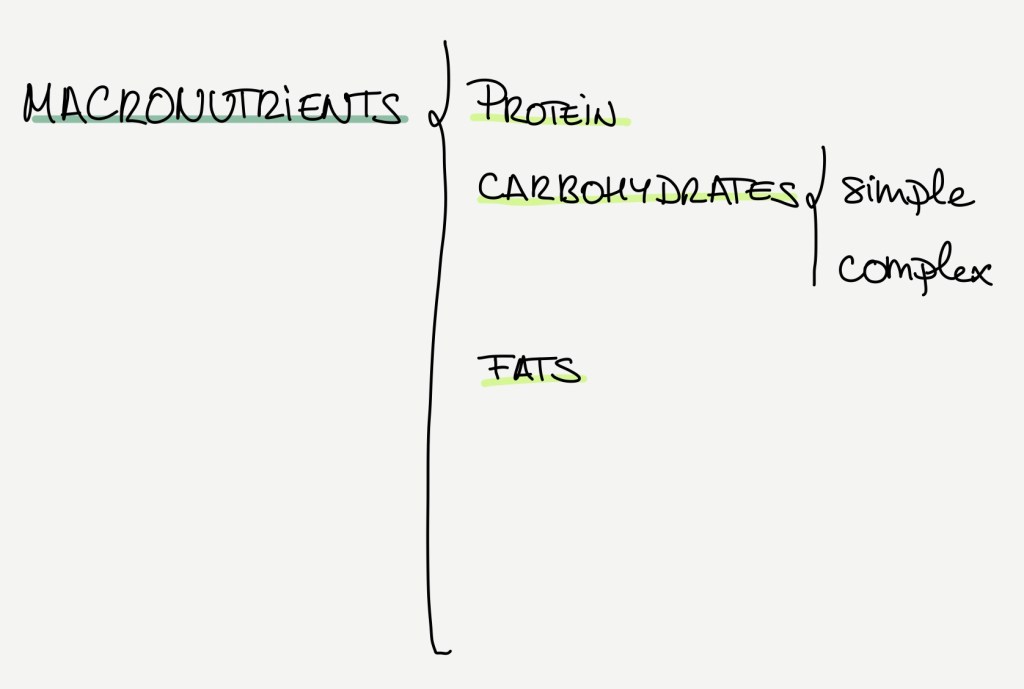
Macronutrients provide energy and the building blocks for our body. They are divided into carbohydrates, proteins, and fats. But, how much of each should I eat?
It depends on how much energy your body consumes. This is the hardest part of all. How much should I eat?
If your weight is stable, it means your body is consuming as much as you eat. If you are losing or gaining weight without meaning to and eating the same, you should see a doctor. If you are looking to lose or gain weight, it should be as simple as eating less or more, in theory. The energy needs are mostly between 1700 kcal and 2500 kcal, the first for sedentary women (can even go as low as 1500) and 2500 (or higher) for athletes.
My recommendation is that you see a nutritionist or dietitian.
In macronutrients, quantity it’s not the only thing we have to look for, there are also proportion and quality.
How should I distribute my macronutrients?
Proteins
Proteins are the key building blocks our body uses for muscles and “machinery”.
Most of us need around 0,8-1,3 grams of protein for each kilogram we weight each day. This goes up if the person practices a sport, is losing weight, is sedentary…
The recommended intake of 0.8 grams per kilo per day should account for 10-15% of our Total Caloric Intake (TCI). It is considered acceptable if our protein intake accounts for 10-35% of our TCI.
Here you have an example with those 0,8 grams of protein per kilo per day. Let’s say that person weights 75 kilograms.
If we multiply those 0,8 grams per kilo per day for the weight, 75 kilos, we get how many grams of protein should that person eat every day.
0,8 g/kilo/day * 75 kilos = 60 grams of protein per day
How many calories are those 60 grams of protein?
Multiply the grams of protein for the calories of each gram of protein (4 kcal/protein gram).
60 grams of protein (per day) * 4 kcal/protein gram = 240 kcal of protein per day
Are those 240 kcal of protein inside the recommended proportion of protein? Let’s check it out.
Let’s say our person needs around 1800 kcal per day.
(240 kcal of protein * 100)/1800 total calories consumed = 13,33%
Those 60 grams of protein per day would cover 13,33% of the Total Energy Intake of this person, staying inside the 10-15% rank.
Does everyone need that quantity of protein?
No, everyone needs different quantities depending on their weight, age and lifestyle. The usual range for healthy adults goes from 0,8 to 1,3 grams of protein/kilo/day. 0,8 g protein/kilo/day for normal people and 1,3 g protein/kilo/day for athletes. Children and teens need a bit more of protein because it’s the building blocks to grow.
This quantity is something your nutritionist should calculate as eating more protein than needed can overload your kidneys and missing out can make you lose muscle mass and other side effects.
Protein Quality
Both the protein we eat and need are made up of smaller blocks called amino acids. Each protein has a different proportion of amino acids.
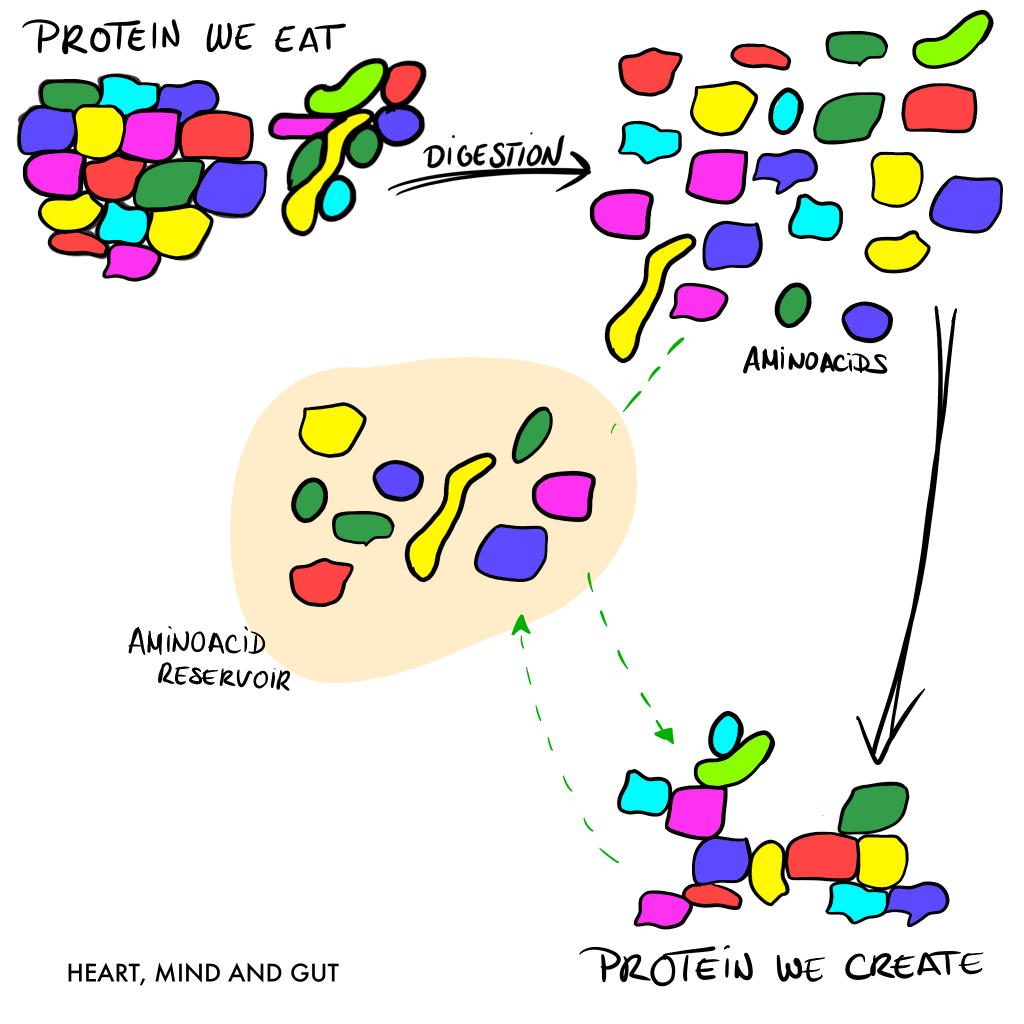
The more similar the protein we eat is to the protein we need to build, the less waste of amino acids, and the more efficient our body will be. That similarity and the easiness we have to digest and absorb a certain protein makes its quality higher. When a protein is easily absorbed and it’s really similar to what we need, it’s really high quality.
Where can we find high-quality protein?
We can find high-quality protein in pulses (combined with a little bit of cereal), fish, poultry, low-fat dairy and eggs.
What about red meat? Red meat protein quality is exceptional, but it goes accompanied by a lot of saturated fats. Focus on low-fat protein, as animal fat is mostly saturated, which we should avoid.
Am I saying you should eat meat to get high protein quality? No at all, vegans and vegetarians can also achieve high-quality protein intake without the problems of eating animals.
Carbohydrates
What are carbohydrates?
Carbohydrates are the primary source of our short-term energy because of their easy access, especially for our brain and red blood cells.
According to the WHO (World Health Association) and AECOSAN (Spanish Agency for Food Safety and Nutrition), carbohydrates should make up around 50-55% of our Total Caloric Intake. However, the European Food Safety Authority (EFSA) considers a range of 45-60% to be acceptable.
Consuming quality carbohydrates is crucial in preventing metabolic diseases such as diabetes or metabolic syndrome and cavities.
We classify carbohydrates into two main groups: simple carbohydrates, such as sugars and complex carbohydrates.
According to the WHO, simple sugars shouldn’t mean over 10% of our Total Energy Intake, even better if we can get it below 5% Total Energy Intake. What do simple sugars mean?
They are basically the sugars that are already broken down, so our body absorbs it way faster, which is the issue with them. Inside simple sugars, we have:
- Sugar, glucose, fructose added to the food or drink by the manufacturer, cook or consumer.
- Sugars naturally present in honey, syrups, fruit juices and fruit juice concentrates.
- It does not include innate sugars in dairy and whole fruit. (1)

If simple sugars shouldn’t mean over 10% of our Total Energy Intake, better if it’s lower than 5%, complex sugars should make up to the 50-55% recommended in total for carbohydrates. That difference means between 40-45% of our Total Energy Intake. Those complex carbohydrates should come from whole grains, vegetables, fruits, and pulses. (2)
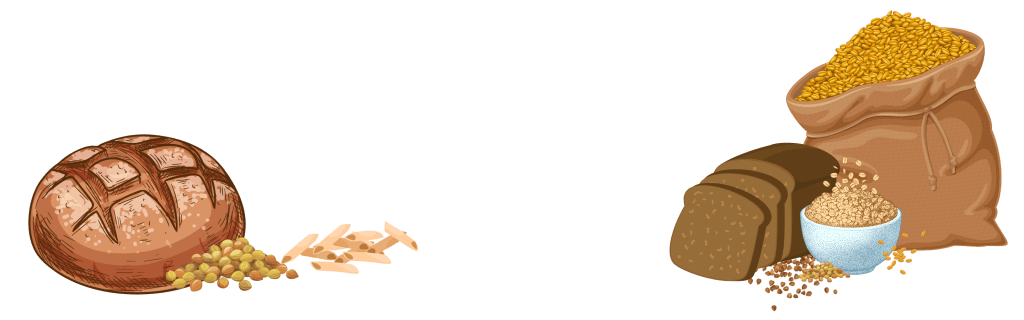
Let’s continue with the example we used with proteins
We are thinking of someone who consumes around 1800 kcal daily.
If we take the lower end of the simple sugar intake recommended by the WHO, 5% of Total Energy Intake.
How much is the 5% of those 1800 kcal?
(5/100) * 1800 = 90 kcal of simple sugars
Or 180 kcal if we take the 10% end of the recommendation.
How many grams are those kcal?
Knowing that a gram of carbohydrate generates 4 kcal, we can divide those calories and get the grams it would mean for someone eating 1800 kcal daily.
90/4 = 22,5 grams of sugars
To adhere to the recommendation of consuming less than 5% of total energy intake (TEI) from simple sugars, someone eating 1800 kcal daily should limit their sugar consumption to no more than 22.5 grams. However, if they choose to follow the higher recommendation of less than 10% TEI, they should not exceed 45 grams of sugar. Remembering always the less sugar, the better.
Those quantities may seem like an easy goal if we only count added sugars. The problem is sugar is everywhere. There is sugar in bread (more than necessary for yeasts), in snacks, sauces, spreads, etc. Even in those “healthy” ones like Digestive cookies or no-fried snacks, there is a ton of sugar. You can see quantities of some products in sugar cubes here.

One way to guarantee a great quality carbs is to eat low Glycemic Index and Glycemic Load foods.
To explain it simply, Glycemic Index is the time that takes for 50g of carbs of a certain food to enter our bloodstream compared to 50g of glucose or white bread. The lower the Glycemic Index, the better. To get a low Glycemic Index (good) we can eat wholegrain cereals, lots of fruits and veggies, nuts, pulses and good fats (we see that down below).
Fiber is queen when lowering the Glycemic Index,
Glycemic Load is the Glycemic Index while considering the portion. It’s not the same to at a cookie than dozen. A Digestive Cookie has approximately the same Glycemic Load as a lentil helping without half the micronutrients (more than below too).
You can learn more about Glycemic Index and Load in the linked posts.
A rule of thumb for this is to not eat more than a teaspoon of added sugar and avoid binge eating processed foods.
Fats
Fats are not only the best way to store energy long-term, they are also necessary for building cellular membranes, our Nervous System, pro and anti-inflammatory factors, among other things.
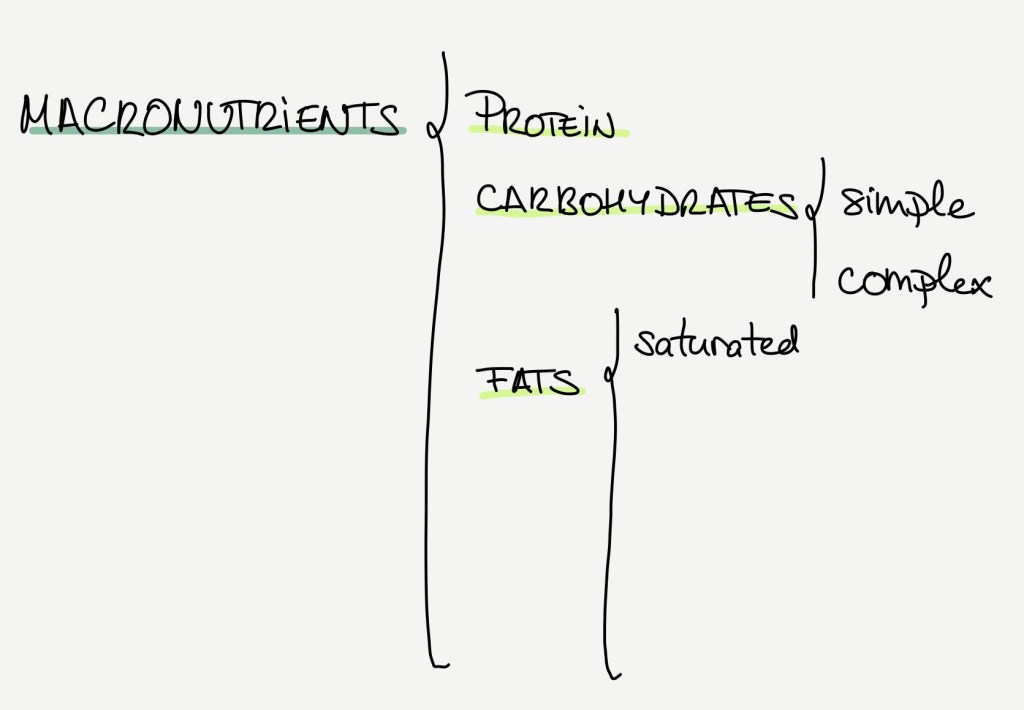
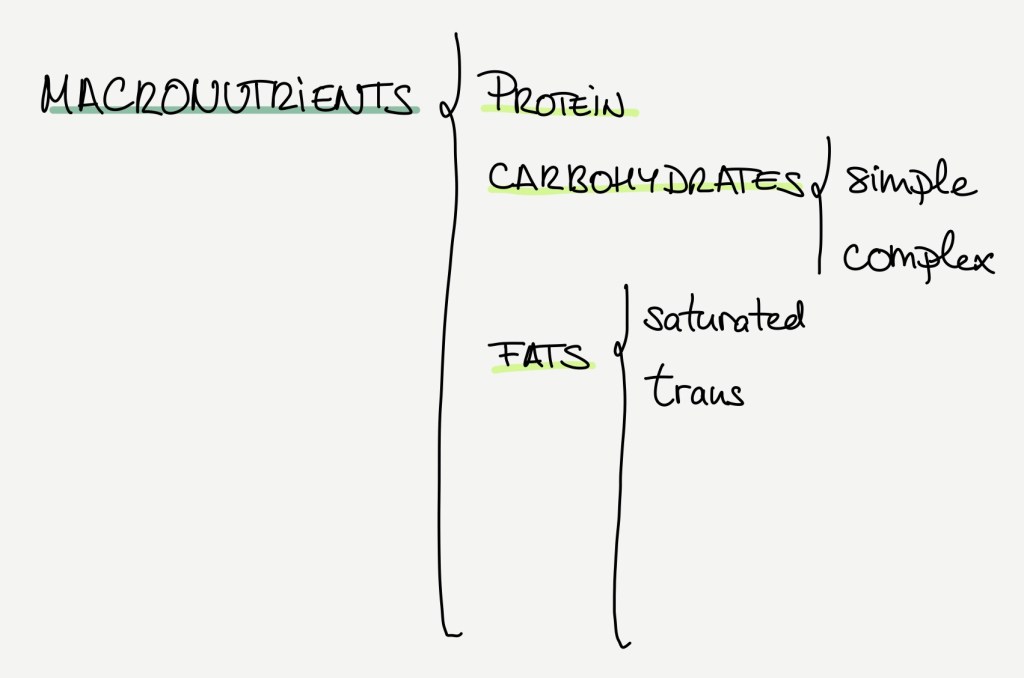
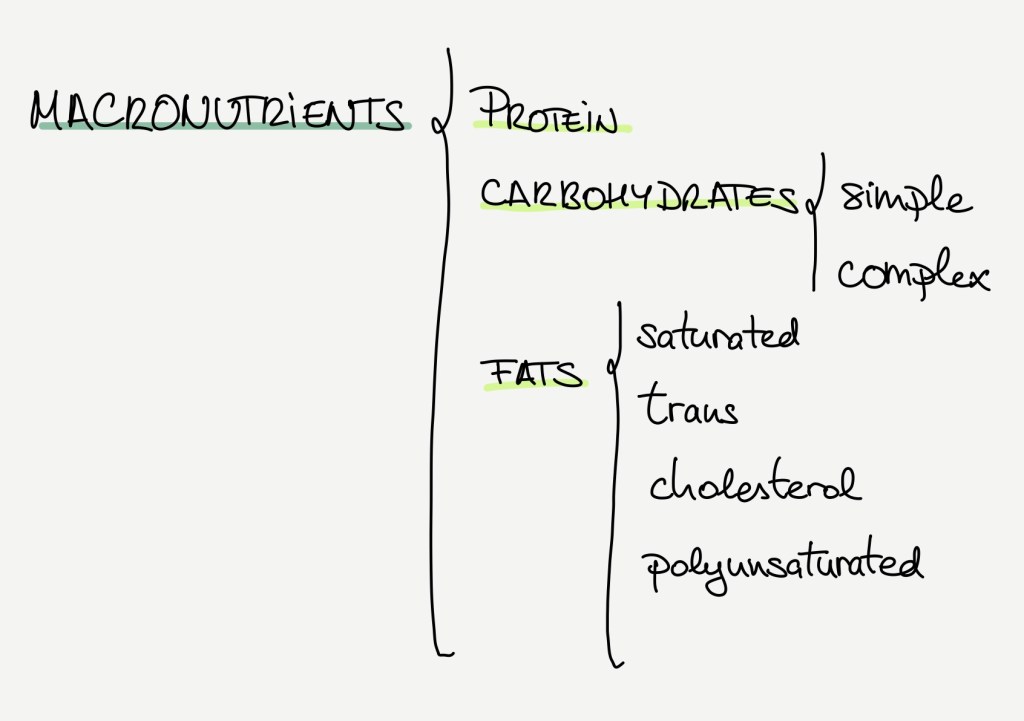
There are multiple types of fats: saturated, trans, cholesterol, polyunsaturated and monounsaturated fats. Let’s go over them in a little more detail.
Saturated Fats
Saturated fats increase LDL cholesterol levels in our blood, increasing the chances of having a heart disease and/or stroke.
According to both the EFSA (European Food Safety) and the AHA (American Heart Association) we should reduce saturated fat intake as much as possible. The AHA puts a threshold at 5-6% Total Caloric Intake. To stay under that limit, our example of 1800 kcal daily shouldn’t eat over 10 grams of saturated fats. (4,5)
Where can I find saturated fats?
Most of them are animal-based and are sometimes called “solid fats” as they can be solid at room temperature. Here you have the more common saturated fats:
- beef and tallow (its fat)
- lamb
- pork
- poultry (especially its skin)
- lard and cream
- butter
- cheese
- ice cream
- coconut
- palm oil
- palm kernel oil
- some baked and fried dishes
Trans fats
Similar to saturated fats, trans fats increase the likelihood of developing cardiovascular diseases such as strokes or heart attacks. On top of that, trans fats also increase the risk of type 2 diabetes, that increases the risk of heart diseases even more.
And just like with saturated fats, we should avoid consuming trans fats as much as possible. Some put a threshold at 1% Total Energy Intake. For our 1800 daily kcal, that would mean 2 grams.
Where can I find trans fats?
We can find trans fats in (not all-inclusive list):
- Doughnuts, churros
- Baked goods like cakes, pie crusts, biscuits, cookies, crackers
- Frozen pizzas
- Margarine sticks
- Some small amount in meats and dairy naturally.


Cholesterol
Cholesterol often receives an awful rep, but there is much more to it than meets the eye. It plays crucial roles in our bodies beyond just clogging our arteries. Cholesterol provides structure to our cellular membranes, acts as a building block for bile acids and steroid hormones, and aids in the transportation of fats throughout the body.
It is primarily our own habits and behaviors that break the balance of the transporting system, giving cholesterol a poor reputation. If you’re curious to learn more about the fat transport system, explore the system here.
Does this mean we can eat as much cholesterol as we want? Nope, we shouldn’t surpass the 300 mg per day mark.
Where can I find cholesterol?
We find cholesterol only in animal produce like brains, other viscera (guts), seafood, caviar, cheese and eggs. Reducing the intake of these foods will be enough to avoid surpassing the threshold.

Polyunsaturated fats
Polyunsaturated fats can reduce LDL cholesterol, which is known as “bad” cholesterol, thereby lowering the risk of heart disease and stroke. These fats are also rich in vitamin E, making them antioxidant fats.
We can divide polyunsaturated fats into two groups: omega-6 (linoleic acid) and omega-3 (linolenic acid, DHA, and EPA).
Omega-6, or linoleic acid, can lower LDL cholesterol. On the other hand, omega-3, which includes linolenic acid, DHA, and EPA, has anti-inflammatory, antithrombotic, and anticoagulant properties. Additionally, omega-3 fats protect the nervous system and the retina, among other functions.
Omega-6 and 3 proportion is important
Both Omegas are beneficial for our health, but when the amount of omega-6 becomes significantly higher, it can have pro-inflammatory effects, which are undesirable for us.
The highest proportion seen as beneficial was 5/1, while 10/1 had adverse consequences. A proportion of 4/1 decreased an amazing 70% the mortality because of cardiovascular diseases; a 2.5/1 ratio decreased the cancerous cells proliferation in colorectal cancer patients; the lower the ratio (more omega 3), the less risk for breast cancer in women.
In reference to the Total Energy Intake Omega-6 should provide between 5-10% and Omega-3 between 1-2%.
Meanwhile, Western diet supplies a crazy ratio of 15/1 or even 16.7/1. (7)
Which foods provide each type of omega?
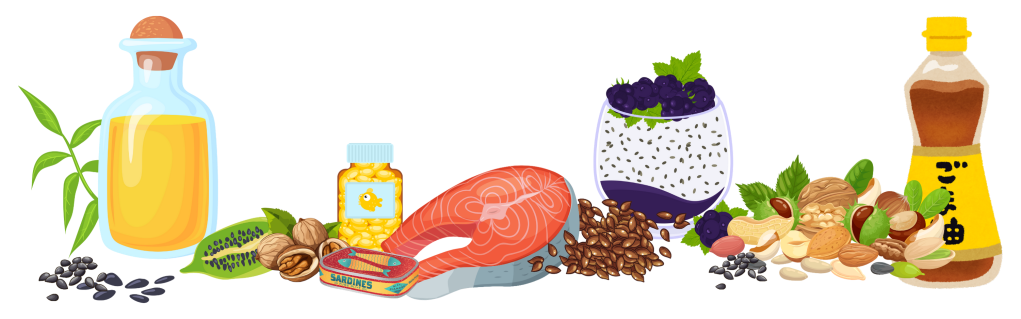
We can find Omega-6 in vegetal oils, nuts and seeds, we can find omega-3 in oily fish, fish oil, colza, flax, chia seeds, walnuts and sesame.

Monounsaturated Fats
Monounsaturated Fats, also known as oleic acid, are the base of one of the healthiest diets around the globe, the Mediterranean Diet. This is because olive oil is one of the most important ingredients around the Mediterranean Sea. We can also find monounsaturated fats in walnuts and other vegetal oils, like pumpkin oil, and in avocado.
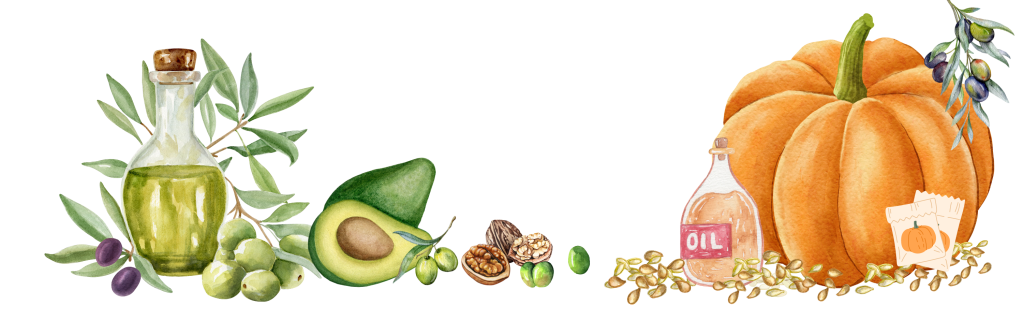
Monounsaturated Fats should provide around 15-20% of our Total Energy Intake.
In total, fats should provide around 30-35% of our Total Caloric Value. If we take our 1800 kcal/day example, that would be 60-7 grams per day.
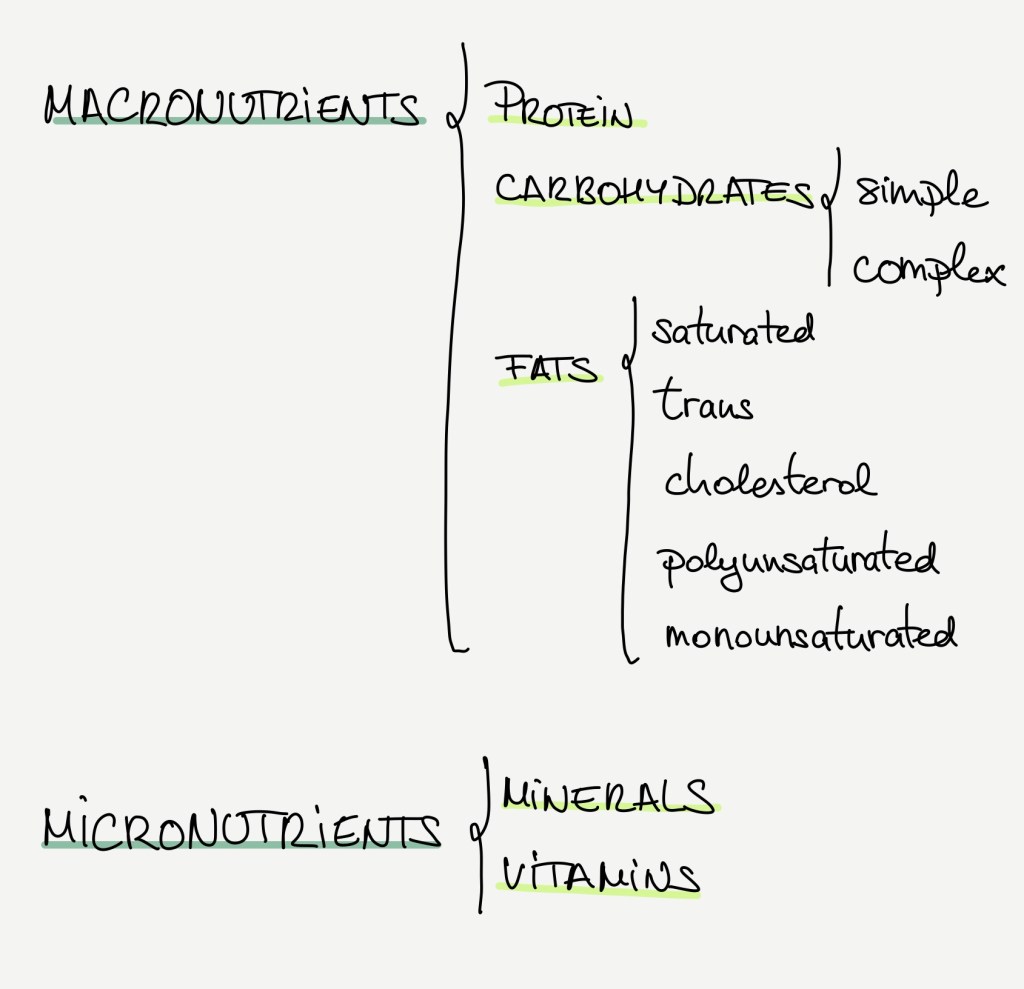
Micronutrients are the second basket we talked about in the beginning. In the first basket are the macronutrients and in the second one, the micronutrients. The macros are the nutrients we need in higher quantities, like carbohydrates, proteins and fats. Meanwhile, we need micronutrients in way smaller quantities, but doesn’t mean we can’t live without them.
We have a daily nutritional requirement for each nutrient, a minimum quantity we need to keep our reserves and to be healthy.
When we aren’t meeting the nutritional requirements of macronutrients, because of too much or too little, it’s easy and fast to see it. The issue with micronutrients is that thanks to the reserves we have, it takes significantly longer to know when we aren’t reaching that nutritional requirement. That’s why we have to make sure we are reaching the requirement by eating foods that provide us with those micronutrients.
We can divide put micronutrients into two groups, minerals and vitamins. In this post, I’m going to talk about the most important of each group, as well, as general guidelines so you can reach the requirements for micronutrients.
You will find links to each micronutrient, so you can learn more about the symptoms of its deficiency or excess and how you can incorporate them into your diet. If there is a link you don’t find, it’s being written.
Micronutrients
Minerals
Sodium

Sodium is probably the only mineral we don’t follow the guidelines for because of excess. We eat around 8-10 grams of salt daily (6000 mg of sodium), when we should surpass the 1200 mg daily, 2300 mg if we are following the most lax guideline. Those numbers translate to having to remain under 5-6 grams of salt daily.
Just like sugar, those 5-6 daily grams are not only table salt but also the added salt while cooking, the absurd quantities of salt in bread, cookies, snacks, precooked and fast foods.
The consequences of eating too much salt (sodium) are elevated blood pressure and higher risk of cardiovascular diseases.
Iron
We should consume between 9 and 18mg daily. This depends on gender as women need more iron because of menstruation, pregnancy and breastfeeding; age, children need more iron because they are growing.
The consequence of not eating enough iron is anemia. The main symptoms of anemia are fatigue, being cold, dizziness, pale skin. Red blood cells need iron to transport oxygen through the body and that’s not its only function.
Where can I find iron?
The principal sources of iron are lentils, beans, spinach, swiss chard other green vegetables, nuts and on the animal side we can find iron in red meat, liver, eggs and fish.
There is some discussion regarding to this, because animal iron is easier to absorb but goes accompanied with cholesterol and other substances we don’t desire.
A good way to improve our absorption of iron is to add 25 grams of animal protein and/or eat some vitamin C in the same meal (pepper, orange, etc).
If your anemia is really strong, and your doctor recommended supplementation, try Floradix. It’s amazing. It absorbs efficiently (it has more vitamins, vitamin C included) and doesn’t cause constipation.

Iodine
We should consume around 150µg daily. We can reach that mark by eating iodated salt, important if we don’t eat fish and/or live inland. Avoid using only inland salt like Himalayan salt.
The consequence of low levels of iodine is goitre.
Calcium
Calcium is really important as from it depends our osseous and dental health. We should consume 900mg daily, more if growing, pregnancy or breastfeeding.
Where can I find calcium in nature?
We can find calcium in green vegetables like broccoli, cabbage, swiss chard, nuts, fish that we eat whole like sardines. We can also find fortified with calcium foods, usually dairy products and their vegetables alternatives, tofu.
Want to know more about calcium, read this post.
Vitamins
We usually have no problems from lack of vitamins B1, B2, B3, B5, B6 and B8 because they are easy to find as they are present in beans, fruits, vegetables, nuts and meat.
Vitamin D
Our diet should provide 5µg of vitamin D to which we add daily sun exposure (with SPF, of course).
What foods are rich in vitamin D?
Vitamin D is an oil-based vitamin, which means we can find her in fat-rich foods like oily fish, fatty dairy. A great option to avoid the fat in these foods is to opt for the low-fat but fortified ones. There are also juices fortified with vitamins like A, C and D, consume them with moderation, as they are pure sugar.

Vitamin B9 or folic acid
We should consume at least 300µg daily to avoid megaloblastic anemia (red blood cells are way bigger than they should be) and avoid malformations on babies, among other important functions.
Where can I find Vitamin B9?
We can find Vitamin B9 or folic acid in vegetables like spinach, swiss chard (again), broccoli, etc and liver (its storage).
Vitamin B12
We should get at least 12 µg daily to avoid megaloblastic anemia (it goes hand in hand with folic acid) and neuropathies. If you feel fatigued, dizzy… ask for an iron, B9 and B12 check up.
The primary sources of Vitamin B12 are animal, like red meat, fish, seafood, eggs and liver.
What if I don’t eat animal products?
It’s okay, you can ingest some B12 from nutritional yeast. But, it’s important that you take a supplement to make sure you are reaching the 12 µg every day.
The last vitamins I’m going to talk about are the antioxidant ones, C, A and E.
Vitamin C
We need 60mg daily to be healthy. If we are lacking vitamin C we can develop scurvy without traveling with Sparrow.
Where can I find vitamin C?
To reach the minimum quantity of daily vitamin C, it’s enough to eat fresh fruit, the more rich are citric, pineapple and kiwi.

Vitamin A
The nutritional requirement for vitamin A is 600-700µg daily. If we don’t reach it and deplete our reserves, we can develop malabsorption syndromes and chronic liver diseases that develop, among other things, damage in our skin, dry eyes, etc.
Where can I find Vitamin A?
We can find Vitamin A in animal produce and β-carotene in vegetables like carrots and peppers but we need more quantity from the vegetables one.

Vitamin E
We need to reach 15mg of vitamin E daily. If we lack vitamin E, our nervous system can deteriorate, among other things.
Where can I find Vitamin E?
We can find Vitamin E in oils like sunflower and safflower, nuts like almonds and vegetables like spinach and broccoli.
Micronutrient summary:
| Daily Nutritional Requirement | Consequence of Not Reaching the Requirement | Sources of micronutrient | |
| Sodium | less than 5-6g | high blood pressure and cardiovascular diseases (excess) | avoid added salt a nd processed foods |
| Iron | 9-18mg | anemia | lentils, beans, spinach, chard, green vegetables, nuts, red meat, liver, eggs and fish |
| Iodine | 150µg | goitre | iodated salt |
| Calcium | 900mg | bad osseous and dental health | green vegetables (broccoli, chard, cabagge), nuts, fish, fortified foods. |
| Vitamins B1, 2, 3, 5, 6, 8 | – | general deficiency | easy to find |
| Vitamin D | 5µg | bad osseous health | oily fish, dairy, fortified foods and starflower. |
| Vitamin B9 (folic acid) | 300µg | anemia | spinach, swiss chard, broccoli, liver |
| Vitamin B12 | 12µg | anemia | read meat, liver, eggs, seafood, fish, supplements |
| Vitamin A | 600-700µg | malabsorption syndromes, eye damage, etc | animal products and vegetables like carrots and peppers |
| Vitamin E | 15mg | deteriorated nervous system | sunflower, safflower, nuts like almonds and vegetables like spinach and broccoli |
To sum it all up:
- Choose low-fat proteins
- Eat whole-grain carbohydrates like whole bread, pasta and rice while avoiding simple sugars in juices, sauces and added sugars itself. Remember, fiber is queen.
- Consume a lot of healthy fats with olive oil, nuts and their oils, while avoiding processed foods filled with trans and saturated fats.
- Eat colourful meals with lots of fruits and vegetables to reach your nutritional requirements for vitamins and minerals.
Nutrition doesn’t go alone
Nutrition is really important. We have seen some consequences of a poor nutrition. However, if you only eat healthy without exercising, getting enough sleep, and taking care of your brain, you’re only doing part of what’s necessary.
Sleep
Sleep is essential for our health. While sleeping, our brain can throw the bad metabolites (trash) and, oddly enough, is when our brain learns better.
The night before a test, the best thing to do is to not go near the subject. If you are behind, cram, go to sleep around 10-11pm and then wake up as early as you need. While sleeping, your brain will do its job by munching all that info.
Plus, the better your sleep, the better your mental health and the more energy you will have. These factors are all interconnected.
Physical activity
Both of us know that physical activity is essential for a long and healthy life. Physical activity increases our muscle mass, decreases fat mass, strengthens our heart.
Those three are valuable advantages to have. But the improvements aren’t just physical, our mental health also improves.
Physical activity gives us a huge mood boost and strengthens our brain. Someone who exercises often will be more resistant to dementia.
Mental Health
Mental health is nothing without physical health and vice versa. A poor mental health can stop you from following a diet by pushing you to eat all the unhealthy things you find and make it harder to sleep well. And then, your mental health will go down, it becomes a vicious cycle.
We don’t know all the factors that move this cycle. One of them is the gut microbiota. How gut microbiota affects our lives
I hope this post is a useful guide for your nutrition and general health. Remember to check out all those links you found interesting to keep on learning how to improve your health long-term.
Remember that scientific research is never stopping field, where there are always new studies with new results.
Resources
- “Executive Summary.” Guideline: Sugars Intake for Adults and Children., U.S. National Library of Medicine, 1 Jan. 1970, www.ncbi.nlm.nih.gov/books/NBK285538/.
- WHO Updates Guidelines on Fats and Carbohydrates_. https://www.who.int/news/item/17-07-2023-who-updates-guidelines-on-fats-and-carbohydrates. Accessed 30 Apr. 2024.
- https://www.sinazucar.org/
- “Dietary Reference Values for Fats.” European Food Safety Authority, www.efsa.europa.eu/en/efsajournal/pub/1461. Accessed 21 May 2024.
- Saturated fat (2024) http://www.heart.org. Available at: https://www.heart.org/en/healthy-living/healthy-eating/eat-smart/fats/saturated-fats (Accessed: 21 May 2024).
- Ácidos Grasos Omega 6 para prevenir y Tratar Las enfermedades cardíacas y circulatorias (no date) Ácidos grasos omega 6 para prevenir y tratar las enfermedades cardíacas y circulatorias. Available at: https://www.cochrane.org/es/CD011094/VASC_acidos-grasos-omega-6-para-prevenir-y-tratar-las-enfermedades-cardiacas-y-circulatorias#:~:text=Los%20%C3%A1cidos%20grasos%20omega%206,aceites%20vegetales%20y%20las%20nueces. (Accessed: 05 June 2024).
- Simopoulos, A.P. “The importance of the ratio of omega-6/omega-3 essential fatty acids.” Biomedicine & Pharmacotherapy, vol. 56, no. 8, Oct. 2002, pp. 365–379, https://doi.org/10.1016/s0753-3322(02)00253-6.
 HEART, MIND & GUT
Leave a comment